
12+
Years of Experience
3000+
Satisfied Clients
5+
International Presence
99%
Success Rate
100%
Authenticity And Transparency
Highlights
Plants & Trees Vastu - Direction Guide
Based on 58 Google Reviews
Thorny Plants Should Be Avoided At All Costs
Captures Negative VibeEast Is Prosperous For Fruit Bearing Plants
Yield Health BenefitsCoconut And Mango Trees
Signify Fertility And Growth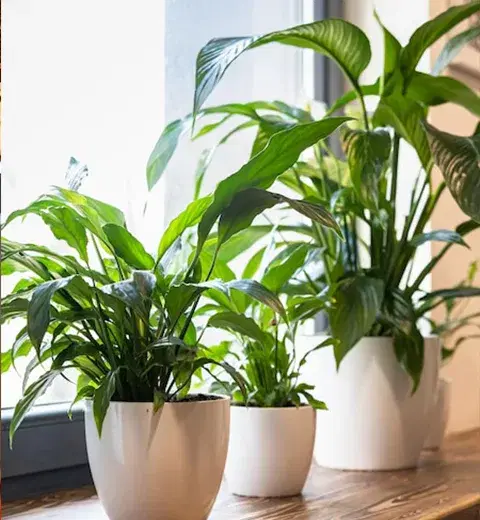
About
About Vastu For Plants & Trees
Plants are the easiest and cheapest way to bring Vastu into a home. You do not have to break a wall or move a staircase. You just add the right green in the right corner, and take out the few things that quietly work against you.
Why Vastu Cares About Plants and Trees
In Vastu, a home balances the five elements, which are earth, water, fire, air and space. Plants are living energy, so they are seen as a natural way to correct that balance. The idea works like this:
- Green means growth. Healthy plants are believed to invite positive energy (prana), prosperity and calm.
- They clean and soften a space. Fresh air, cooler rooms and a bit of nature help lower stress, which Vastu reads as good flow.
- The wrong plant or spot can block energy. Thorny plants, dead plants, or a heavy tree in the wrong corner are thought to create tension.
So the point is not simply owning plants. It is the right plant, kept healthy, in a direction that suits what that corner is meant to do.
Plants to keep
- Tulsi (holy basil): the most sacred plant in Vastu. It purifies, calms and is considered highly auspicious.
- Money plant (pothos): the classic prosperity plant. It grows well indoors and is very forgiving.
- Jade plant: its round, coin shaped leaves are linked to wealth. Keep it in the north or east.
- Lucky bamboo: a symbol of steady growth. A stalk count of seven or nine is a popular choice for luck.
- Neem: a natural purifier and pest repellent, valued for health and clean air.
- Snake plant, areca palm, peace lily: reliable indoor plants for air quality and freshness.
- Aloe vera, jasmine, marigold, rose: positive and easy to grow. Rose is the one thorny plant Vastu welcomes, thanks to its fragrance.
- Banana and lotus: sacred plants tied to purity and abundance, good where you have space or water.
Plants to place carefully or avoid
- Cactus and thorny plants: believed to bring tension and stalled energy. Keep them out of the home and away from the entrance.
- Bonsai: a deliberately stunted tree, linked to slowed growth, so many people avoid it indoors.
- Tamarind, cotton and babool (acacia): traditionally tied to obstacles and negative energy, so they are kept out of the home compound.
- Touch me not (mimosa): its shrinking leaves are read as shrinking energy, so it is avoided at home.
- Dead or dried plants: the biggest thing to avoid in Vastu. Wilting greenery is thought to trap negative energy, so remove it quickly.
- Large, dense trees very close to the house: they block light and airflow, which Vastu treats as blocked energy.
Direction is the heart of plant Vastu. The simple rule is this: light and small in the north and east, heavy and tall in the south and west.
- North and east: keep these open and bright. Good for small plants, flowering pots and Tulsi. Avoid big trees here.
- Northeast (Ishanya): the most sacred, lightest corner. Ideal for Tulsi and a small water feature. Never block it with large trees.
- South and west: the heavy directions, where tall, dense trees belong and add shade and stability.
- Southeast (Agni): a good home for the money plant, and for warm flowering plants like marigold and hibiscus in the garden.
- Southwest: the heaviest corner. Large trees are welcome here.
- Centre (Brahmasthan): keep it clear. No large trees or heavy planting in the middle of the plot.
- Main entrance: never let a tree or thorny plant block the front door. Keep the path open.
Pick the plant that suits your goal and the spot it likes.
| Goal | Best Plants | Where to Keep |
|---|---|---|
| Wealth and Prosperity | Money Plant, Jade Plant, Lucky Bamboo | Southeast corner, indoors |
| Peace and Calm | Tulsi, Peace Lily | Northeast or East |
| Love and Relationships | Rose, Jasmine | Southeast garden (avoid the bedroom) |
| Health and Clean Air | Neem, Aloe Vera, Snake Plant | North or East, indoors |
| Focus and Study | Lucky Bamboo, Peace Lily | Study desk or child's room |
Quick Tips
- Grow Tulsi in the north, northeast or east, ideally on a raised platform.
- Keep the money plant indoors and train it to climb, so the vine does not trail on the floor.
- Remove dead and dry plants at once. This matters more than any placement rule.
- Treat a wilting plant as stuck energy. Keep everything healthy, or move it out.
- Send tall trees to the south and west, and small plants to the north and east.
- Keep thorny plants outside and away from the door. Rose is the only welcome exception.
- In the bedroom, keep only small, simple plants. No cactus and no roses there.
- Keep the northeast and the centre light and open.
Common Vastu Plant Mistakes
A few small habits undo a lot of good placement.
- Thorny plants indoors. Cactus and other thorny plants near the bedroom or door are the most common mistake.
- Ignoring dead leaves. Dry or dead matter drains the freshness. Clear it within a day or two.
- Overcrowding a corner. Too many plants in one spot blocks the flow instead of helping it.
- Heavy planting in the northeast or centre. These zones are meant to stay light and open.
- Cold or treated water. Use room temperature water, and avoid salty or heavily chemical water.
- Letting the money plant droop. Keep it trimmed and climbing, not trailing on the floor.
Vastu treats the material and colour of a planter as part of the plant's energy.
- Material: clay and terracotta are preferred over plastic.
- North: blue, grey or black pots, linked to money and career.
- East: green pots, linked to growth.
- Northeast: brown pots with flowering plants for positivity.
- Southeast: red pots, often used for the money plant.
- Upkeep: keep pots clean and free of cracks, and choose earthy tones over harsh, dark shades.
Traditional or independent homes. Classic Vastu assumes a plot with a garden or courtyard. Big shade trees like neem and mango went to the south and west, Tulsi sat in the courtyard on a stone platform, and boundaries were softened with hedges. You have room to follow the direction rules almost exactly.
Modern apartments. Most people now work with a balcony and a few indoor pots, and that is fine. Vastu adapts:
- Read your balcony's direction and treat it as your outdoor zone. East and north suit flowering plants and Tulsi. South and west suit larger, hardier pots.
- Use compact indoor plants like money plant, snake plant and peace lily for corners you cannot fill with trees.
- Go vertical with wall planters or hanging pots to add greenery without using floor space.
- Keep the same principles, just at pot scale instead of plot scale.
The rules have not changed. Only the way people apply them has.
| Aspect | Traditional (Old) Vastu | Modern (New) Vastu, 2026 |
|---|---|---|
| Space Assumed | Large plot with a garden or central courtyard. | Apartments with balconies and indoor corners. |
| Main Greenery | Large shade trees such as neem, mango, and banyan. | Potted plants like money plant, snake plant, and areca palm. |
| Placement Scale | Plot-level directions, with trees in the southwest and Tulsi in the northeast. | Placement based on balcony direction, indoor corners, and vertical or wall planters. |
| Tulsi Placement | Kept in the courtyard on a raised stone platform. | Placed in a pot on a balcony or near a window on a raised stand. |
| Real vs Artificial Plants | Only living plants were considered acceptable. | Well-maintained artificial plants are now widely accepted for décor. |
| Primary Focus | Directional correctness and traditional beliefs. | A balance of Vastu, décor, wellness, and indoor air quality. |
| Upkeep | High maintenance requiring land and regular gardening. | Low maintenance with compact, easy-to-care-for plants. |
| Fixing a Vastu Dosha | Replanting trees or making structural changes. | Adding or relocating a few potted plants without renovation. |
Small (1 or 2 BHK apartment or balcony). Start with five to eight pots: one Tulsi, a money plant, a snake plant, and two or three flowering or leafy plants placed by balcony direction. Keep the northeast corner light and everything healthy.
Medium (independent house with a small garden). Add garden beds and a few small to medium trees placed by direction, a proper Tulsi platform, a boundary hedge, and a wider variety of flowering plants. Now you can separate the heavy south and west from the light north and east.
Large (villa, bungalow or large plot). Full landscaping: mature shade trees to the south and west, an open lawn, a small water body or fountain in the northeast, and clear space in the centre. Room for an orchard corner and a dedicated Tulsi or temple area.
Vastu greenery has moved from a traditional practice to a mainstream lifestyle trend. A few things are driving that this year:
- Indoor plants are a top decor trend. Money plants, bamboo, peace lilies and areca palms are named among the biggest home decor picks of 2026, equal parts good looks and good energy.
- Wellness meets modern living. The 2026 theme is not only pretty interiors. It is spaces where wellness, positivity and modern design come together, and Vastu plants fit that well.
- Apartment life needs greenery. Closed rooms, long hours of air conditioning and less sunlight make indoor air feel heavy, so more families keep plants for oxygen and a calmer mood.
- Blending, not choosing. People now layer Vastu friendly placement into modern layouts, such as a small pooja or meditation corner, a plant by the door, and soft pastel colours.
- Low upkeep and faux options. With compact homes and busy schedules, easy care plants, and even good artificial plants, have become a popular way to stay Vastu conscious without the work.
Vastu plants in 2026 are less about strict rules and more about a flexible, wellness focused way to bring nature and calm into everyday modern homes.
Costs vary a lot by city and nursery, but here are realistic ranges to plan a budget.
By individual item
| Item | Approx. Cost () |
|---|---|
| Tulsi Plant | 50 – 200 |
| Money Plant | 50 – 300 |
| Lucky Bamboo | 150 – 500 |
| Snake Plant or Peace Lily | 200 – 600 |
| Ceramic or Designer Pot (each) | 100 – 1,500 |
| Potting Soil & Compost (per bag) | 100 – 300 |
| Readymade Tulsi Platform | 1,500 – 8,000 |
| Sapling or Small Tree | 200 – 2,000 |
| Mature Tree (Transplanted) | 2,000 – 15,000+ |
By full setup
| Setup | Approx. Cost () |
|---|---|
| Small (balcony or apartment) | 2,000 to 10,000 |
| Medium (house with small garden) | 15,000 to 50,000 |
| Large (villa or big plot) | 75,000 to 3,00,000+ |
| Vastu consultant (optional) | 3,000 to 25,000+ |
Benefits
Benefits of Correct Plant & Tree Vastu
Serenity In Living Standards
Healthy Ambience
Progress
Attract Vibrant Energy
Vastu Tips
Important Tips & Points for Plants & Trees
POINTS TO BE TAKEN UNDER CONSIDERATION
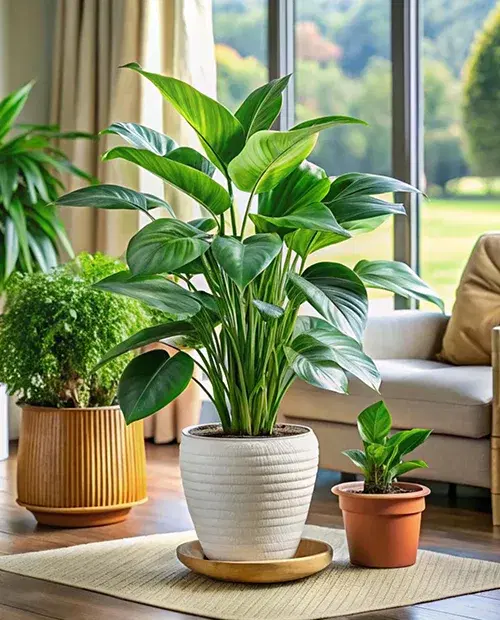
- Tulsi Is Highly Beneficial To For Increasing The Spiritual Aura Of Home.
- Marigold And Jasmine Plants, Located Either In East Or North Brings Progress In Lives.
- Natural Materials Like Clay Or Terracotta Pots As They Are Vastu-Compliant.
- Sufficient Amount Of Natural Light Is Important To Attract Positivity.
Featured
Why Choose Us
Why Choose Layered Vastu for Plant Guidance
100% Certified
Authentic Documents, Showcasing Legality100% Customer-Centric
Customization As Per Client's RequirementLifetime Assistance
Offering Services For The Entire LifespanFAQ
Plants & Trees Vastu - People also ask
Tulsi (holy basil) is considered the single most auspicious plant, followed closely by the money plant for prosperity.
Indoors, ideally in the southeast, trained to climb upward. Keeping it inside is believed to protect its wealth energy.
North, northeast or east, in a bright, open spot, preferably on a raised platform.
Vastu advises against it. Thorny plants like cactus are linked to tension and blocked energy, so they are best kept out of the bedroom and away from the entrance. Some place them outdoors in the southwest as a protective plant.
Large, dense trees planted too close, especially in the northeast or dead centre, are discouraged because they block light and airflow. Tamarind, cotton and babool are also traditionally avoided. Tall, welcome trees belong to the south and west.
Views differ. Traditional Vastu prefers living plants and treats fake ones as lifeless. Modern practice increasingly accepts clean, well kept artificial plants as a low upkeep option, especially in apartments. Dusty or damaged ones are best avoided either way.
Small, simple plants such as a snake plant or a peace lily. Keep cactus and roses out of the bedroom.
Yes. It stands for steady growth and is an easy, popular choice for desks and entrances. Stalk counts of seven or nine are common for luck.
Very much so. Money plant, snake plant, areca palm and peace lily are all recommended for air quality and positive energy, especially in apartments.
In Vastu terms, yes. Dead and dried plants are thought to trap negative energy. Whatever your beliefs, clearing them keeps your space healthier, so it is a good habit either way.
Yes. Plants are the most affordable Vastu remedy precisely because they need no construction. You simply add, move or remove greenery.
Explore More
Similar Vastu Services

Vastu For Childbirth
Become parents soon
Read More
Vastu For Marital Harmony
Keep your marital life lit
Read More
Vastu For Peace of Mind
Destress your life
Read More
Vastu For Career
Attract golden opportunities.
Read More
Vastu For Marriage
Enjoy blissful married life
Read More
Vastu For Wealth
Bring financial prosperity
Read MoreReady to Transform Your Space?
Get expert Vastu guidance from Seema Bhatia. Start your journey to harmony and prosperity today.