Commercial VastuCommercial Vastu

Commercial Vastu Shastra - What It Is, Common Business Problems & How They Are Fixed

For offices and shops that can't afford to shut down for renovations.

Most business owners who reach out to Layered Vastu are not starting from curiosity. They are dealing with something that has not responded to conventional explanations. A shop that draws footfall but struggles to convert. An office where the best staff keep leaving. A business that hits a ceiling year after year, despite the fundamentals being sound.

Commercial Vastu is the application of Vastu Shastra principles to workspaces, offices, shops, hotels, clinics, educational institutions, and any other business premises. This page explains what it actually involves, what the most common problems look like in real businesses, and how Ms. Seema Bhatia analyses and corrects them.

  • Live business compatible
  • Marked floor plan included
  • In-person + online
Our Services

Vastu Tips For Commercial Space

Vastu For Jewellery Shop

Vastu For Jewellery Shop

Read More
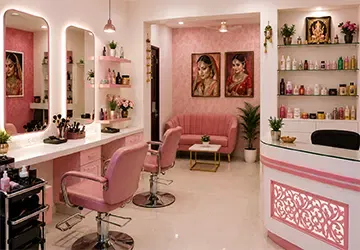
Vastu For Beauty Parlour

Vastu For Beauty Parlour

Read More
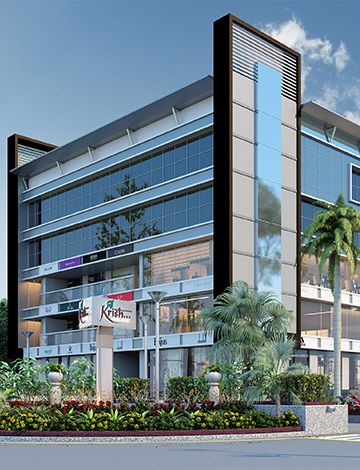
Vastu For Commercial Complex

Vastu For Commercial Complex

Read More
Vastu For Hotels, Restaurants, And Resorts

Vastu For Hotels, Restaurants, And Resorts

Read More
Vastu For Boutique

Vastu For Boutique

Read More
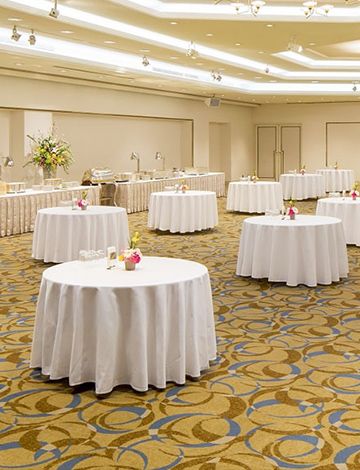
Vastu For Marriage Halls

Vastu For Marriage Halls

Read More
Lucky Logo for Business

Lucky Logo for Business

Read More
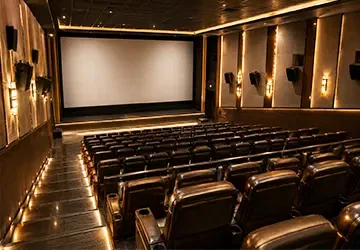
Vastu For Multiplex

Vastu For Multiplex

Read More
Vastu For Educational Institutions

Vastu For Educational Institutions

Read More
Vastu For Clinics

Vastu For Clinics

Read More
Vastu For Banks

Vastu For Banks

Read More
Vastu For offices

Vastu For offices

Read More
Vastu For Malls

Vastu For Malls

Read More
Vastu For Hospitals

Vastu For Hospitals

Read More
Vastu For Shop

Vastu For Shop

Read More
Vastu For School

Vastu For School

Read More
Vastu For Plots

Vastu For Plots

Read More
Vastu For Makeup Studio

Vastu For Makeup Studio

Read More
Vastu For Business

Vastu For Business

Read More

What Is Commercial Vastu Shastra?

Vastu Shastra is an ancient Indian architectural science that studies the relationship between a built space and the natural forces that flow through it directional energy, the five elements (earth, water, fire, air, and space), solar movement, and Earth's magnetic field. When applied to commercial spaces, the framework shifts from personal well-being (the focus in residential Vastu) to business outcomes: cash flow, footfall, staff performance, client trust, decision-making clarity, and the overall productivity of the workspace.

The underlying logic is this: every zone in a commercial space the entrance, the owner's seat, the accounts area, the meeting rooms, the storage corresponds to a directional sector with a specific elemental association. When the activities happening in a zone conflict with that zone's energy, the results are felt in the business. When they align, the space supports what you are trying to do.

This is not mysticism. It is spatial organisation informed by a directional energy framework that has been refined over centuries of architectural practice in India. The reason serious business owners and property developers in India continue to consult Vastu experts is not blind tradition it is the pattern of outcomes they observe when the principles are applied correctly.

How Is Commercial Vastu Different from Residential Vastu?

Residential Vastu focuses on the people living in a space their health, sleep, relationships and family harmony. Commercial Vastu focuses on the business operating in a space its revenue, client flow, staff stability and the decision-making environment of the leadership. The directional principles are the same. What changes is which zones are prioritised and what outcomes you are correcting for.

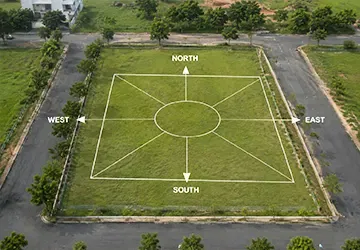
How Directions Govern Business Energy - The Foundation of Every Assessment

A commercial Vastu assessment starts with the compass. The eight directions each carry a specific energy and elemental association. In a business space, the question is whether each direction's energy is being used for an activity that supports it or one that works against it.

Here is what each direction governs in a commercial context:

  • North (Kubera - wealth and career): The North zone governs financial flow, career progress, and new opportunities. In a commercial space, this zone should be relatively open and uncluttered. The accounts department, reception, and cash-related functions benefit from North placement. Heavy storage or toilets here suppress financial energy directly.
  • Northeast (Ishaan - wisdom and clarity): The most sacred corner in Vastu. In a business context, it governs strategic thinking, ethical conduct, and client trust. This zone should never house toilets, heavy equipment, or storage. Water features and prayer spaces are appropriate here. A defective Northeast corner is frequently associated with poor decision-making and reputational issues.
  • East (Indra - new beginnings and social recognition): East-facing entrances bring morning sunlight the most active form of solar energy directly into the business. East governs social visibility, brand reputation, and new beginnings. A strong East zone supports client acquisition and public-facing credibility.
  • Southeast (Agni - fire, production, and cash): The fire zone. In commercial Vastu, the Southeast governs production, technology, revenue generation, and the energy required to execute. The kitchen of a restaurant, the server room of an office, or the cashier position of a shop can all align with Southeast energy. A defective Southeast manifests as erratic cash flow and equipment issues.
  • South (Yama - recognition and authority): South governs reputation, completion of work, and authority. The marketing team and brand-building functions work well in the South zone. South-facing entrances are challenging and require specific remediation.
  • Southwest (Nairutya - stability and leadership): The most stable zone of any space. The owner, CEO, or lead decision-maker should occupy the Southwest corner of the office. This placement confers authority, grounding, and control. A Southwest defect or placing a junior employee in the Southwest frequently shows up as leadership instability and inconsistent business direction.
  • West (Varuna - gains and completion): West governs the completion of efforts and the realisation of gains. Accounts finalisation, collections, and storage of completed work all align well with West placement.
  • Northwest (Vayu - movement, sales, and networking): The zone of air and movement. The sales team, marketing, and client-facing staff work best when seated in the Northwest. This zone also governs relationships with external parties vendors, partners, and customers.

Common Vastu Problems Found in Offices, Shops, and Business Premises

Most commercial Vastu problems are not the result of bad design choices they are the result of practical decisions made during fit-out or lease negotiation, without any Vastu input. The layout was inherited. The cash counter went where the plumbing was. The owner's cabin was given the best-looking corner, not the directionally correct one.

These are the defects that appear most often in Seema's commercial assessments:

1. Owner or Director Seated in the Wrong Direction

Where the owner sits, and which direction they face, is one of the most impactful variables in a commercial Vastu reading. The owner should ideally sit in the Southwest corner, facing North or East. This placement is associated with authority, stability, and clear decision-making. When an owner sits facing South, or occupies the Northeast corner, the directional energy works against their capacity to lead and stabilise the business. This is one of the most common findings and one of the easiest to correct.

2. Cash Counter or Billing Position Facing the Wrong Direction

The cash counter is the most financially sensitive position in any retail or hospitality business. In Vastu, it should face North Kubera's direction, associated with wealth accumulation and financial flow. A cash counter facing South or Southwest is associated with money leaving the business faster than it comes in: high expenses, high returns, or cash flow that never seems to accumulate. This is among the top three concerns that bring retail business owners to a Vastu consultant.

3. Main Entrance Facing South or Southwest

The entrance direction determines what kind of energy enters the business first. South and Southwest entrances are the most challenging in commercial Vastu. They are associated with effort that converts poorly high activity but low return, many inquiries but few conversions, or a constant sense that the business is working harder than its results justify. These entrances are not impossible to manage, but they need specific threshold and directional treatments to offset the energy.

4. Toilet or Pantry in the Northeast

The Northeast is the most energetically valuable corner of any space, commercial or residential. In a business context, it governs strategic clarity, ethical standing, and the quality of relationships with senior clients or stakeholders. A toilet in the Northeast introduces waste energy into this zone. The typical pattern: businesses with Northeast toilets struggle with decision-making delays, get entangled in disputes that seem to have no clear resolution, or find that their most valuable client relationships are strained for no identifiable reason.

5. Heavy Storage or Machinery in the North or Northeast

The North zone governs financial energy and needs to be relatively open and unobstructed. Heavy racks, equipment, or bulk storage placed in the North compress the zone that should be facilitating wealth flow. This is particularly common in retail shops and warehouses where storage decisions are made on convenience rather than directional consideration.

6. Sales or Client-Facing Staff Seated in the Wrong Zone

In Vastu, where employees are seated affects how they perform and which functions they perform well. Sales and marketing staff seated in the Northwest tend to be more mobile, outward-facing, and effective at bringing in new business. The same staff seated in the Southwest become slower, more resistant to change, and less productive at client acquisition. Seema's commercial assessments include seating layout recommendations for functional teams not just the owner.

7. Irregular Plot or L-Shaped Commercial Space

Commercial properties frequently have irregular shapes corners cut by roads, L-shaped floors, or spaces with missing zones. A missing Northeast corner removes the space's most strategic energy zone. A missing Southwest creates instability at the base of the business. Irregular commercial spaces require compensatory remedies specific to which zone is absent or compressed.

8. Conference or Meeting Room in an Adverse Zone

Meeting rooms placed in the Southeast (fire zone) tend to produce heated, contentious conversations negotiations stall, partnerships break down, and decisions are revisited repeatedly. Meeting rooms work better in the North or Northwest. When meeting rooms are unavoidably located in problematic zones, elemental balancing and seating arrangement can offset the energy.

9. Accounts or Finance Department Misplaced

The accounts function billing, collections, financial records belongs in the North or Northwest zone, aligned with the energy of wealth flow and the completion of transactions. Accounts placed in the South or Southeast zone can show up as persistent collection delays, billing disputes, or a pattern where money is earned but not retained.

10. Staircase or Lift in the Northeast or Centre (Brahmasthan)

In multi-floor commercial buildings, the position of staircases and lifts matters. These elements introduce downward or moving energy. In the Northeast, this suppresses the strategic clarity zone. At the Brahmasthan (the geometric centre of the space), it disrupts the central energetic axis of the entire premises. Both situations require specific compensatory remedies.

How Ms. Seema Bhatia Works - Her Assessment and Remedy Process for Commercial Spaces

Seema Bhatia has been practising Vastu for over 12 years, with more than 3,000 consultations across residential and commercial clients. Her commercial practice covers everything from small retail shops to offices, clinics, hotels, and educational institutions.

Her approach is consistent: precise diagnosis before any prescription. A commercial space has more variables than a home more people, more functions, more zones to assess and the remedies need to account for the fact that the business cannot stop operating while changes are implemented.

Step 1 - Understanding the Business and Its Specific Challenges

Before reviewing any floor plan, Seema asks about the business itself. What kind of business is it? How long has it been operating at this location? What changed or what started when the current problems began? Which functions or people are most affected?

The nature of the business shapes what she looks for. A restaurant's most critical zones are different from a law firm's. A jewellery shop has specific cash-movement concerns that a school does not. The initial conversation is not a formality it determines the focus of the analysis.

Step 2 - Floor Plan Analysis and Compass Mapping

Seema works from a scaled floor plan and accurate compass readings. For on-site assessments in Delhi/NCR, she visits the premises directly taking compass readings at the entrance, at the owner's position, at the cash counter, and at any zones of specific concern. For online consultations, clients share a floor plan and confirm the North direction.

She maps every functional area against a directional energy grid entrance, owner's seat, accounts, sales team, meeting rooms, storage, pantry, toilets to identify zone-by-zone alignment or conflict.

Step 3 - Identifying and Categorising Vastu Doshas

The analysis produces a clear inventory of what is working, what is defective, and how serious each defect is. Seema categorises findings by severity and by remediation type some corrections are simple placement changes that can be made in an hour; others are structural facts (a toilet in the Northeast, a fixed staircase in the wrong zone) that require compensatory rather than corrective remedies.

Every defect is documented with its zone location, the elemental conflict it represents, and the typical business pattern associated with it. This gives the client a framework for understanding what they are looking at not just a list of things to move.

Step 4 - Non-Demolition Remedies, Prioritised by Impact

Every remedy Seema prescribes is non-demolition. This is not a limitation of her practice it is the deliberate foundation of it. Businesses cannot shut down for renovation. Leased premises cannot be structurally altered. The full toolkit of Vastu corrections does not require breaking a single wall.

Commercial remedies work through:

  • Seating reconfigurations - repositioning the owner, key staff, and functional teams to directionally appropriate zones
  • Cash counter and billing area corrections - adjusting direction, facing, and surrounding elements
  • Entrance treatments - threshold materials, directional signage, door materials, and lighting corrections for challenging entrance directions
  • Elemental balancing - introducing the right materials, colours, plants, water features, or metals in specific zones to correct directional deficiencies
  • Colour corrections - zone-specific colour choices for walls, partitions, and furnishings
  • Object and symbol placements - specific items placed in precise locations to neutralise adverse zone energy

The remedy list is prioritised. Not everything can be done on day one, and not everything has equal impact. Seema sequencies the remedies so the highest-leverage corrections typically the entrance, the owner's seat, and the cash counter are addressed first.

Step 5 - Written Report with Marked Floor Plan

Every commercial consultation ends with a written report. The report includes a marked floor plan showing each zone's assessment, a list of all identified Vastu doshas with severity ratings, and specific implementation instructions for each remedy not just categories, but precise placement guidance.

Online clients receive the report within 3 working days. On-site clients receive it within 7. A written, documented report matters in a commercial context because implementation often happens in stages, and the business owner needs to refer back to specific recommendations as they execute changes.

Step 6 - Follow-Up

After implementation, Seema follows up to assess progress and answer questions about changes that have been made. This is not standard practice in the Vastu industry. Most practitioners deliver a report and consider the engagement complete. The follow-up is part of what makes the Layered Vastu process different and part of why clients return when they open a second premises.

Commercial Vastu Across Different Business Types

The principles of commercial Vastu are consistent, but the priorities differ by business type. Different businesses have different critical zones what matters most for a jewellery shop is not the same as what matters most for a clinic.

Vastu for Offices and Corporate Spaces

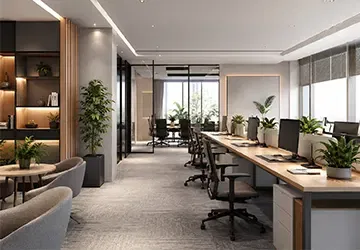
Office Vastu centres on three variables: where the owner or senior leadership sits, how functional teams are arranged by zone, and the direction of the main entrance. A well-configured office has leadership in the Southwest, client-facing teams in the Northwest, and support functions in the West. The meeting rooms, pantry, and accounts areas each have their own zone logic. Seema covers all of these in an office assessment.

Vastu for Shops and Retail Stores

Retail Vastu focuses heavily on the cash counter direction, the entrance facing, and the storage placement. The placement of products and display areas also has a Vastu dimension heavier, more valuable products in the South and Southwest; lighter, fast-moving inventory in the North and East. These are not arbitrary placements; they align product weight with the directional energy of stability versus movement.

Vastu for Hotels and Restaurants

Hospitality Vastu covers reception, kitchen, dining area, guest rooms (for hotels), and the entrance. The kitchen's zone placement is critical it should be in the Southeast. Guest comfort is associated with the North and East zones. Staff stability is influenced by the Southwest. Hotels and restaurants are among the most complex commercial Vastu assessments because they involve multiple functions, multiple floors, and multiple types of human interaction.

Vastu for Clinics and Hospitals

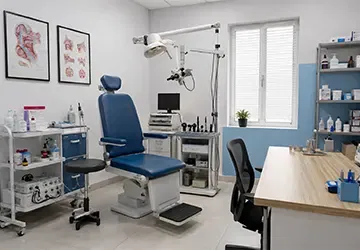
Healthcare spaces have specific energy requirements. The consultation room, where the doctor sits, should ideally be in the Southwest with the doctor facing North or East. The waiting area benefits from North or East placement. The direction and position of the reception, the records room, and the pharmacy each have their own Vastu logic. Seema works with individual clinics and small hospitals on full spatial assessments.

Vastu for Educational Institutions

Schools and coaching centres benefit from specific classroom orientations, library placements, and principal or director seating. Northeast zones are particularly important in educational settings this is the zone of wisdom and learning, and a strong Northeast supports concentration, ethical conduct, and institutional reputation.

Vastu for Commercial Plots and Pre-Construction

If you are purchasing a commercial plot or planning a build, this is the optimal moment for a Vastu assessment. At the pre-construction stage, the entrance direction, floor plan layout, and zone allocation can all be designed with Vastu principles integrated from the start. Seema works with property buyers and developers at this stage, providing a Vastu-compliant spatial brief before the architect or contractor begins.

Online Commercial Vastu Consultation vs On-Site Visit

Both formats deliver the same depth of assessment and the same written report. The method of gathering data differs.

On-Site Consultation (Delhi/NCR):

Seema visits the premises directly. She takes compass readings at the entrance, at the owner's position, and at any zones of concern. On-site is particularly useful for irregularly shaped premises, multi-floor buildings, or situations where the client is uncertain about the exact North direction. The visit is typically done during business hours without disrupting operations.

Online Consultation (Pan-India and International):

You share a scaled floor plan and confirm the property's accurate North direction. Seema analyses the layout digitally with the same zone-by-zone assessment she applies on-site. She may ask follow-up questions by WhatsApp. The written report is delivered within 3 working days.

Online consultations work well for almost all commercial premises. They are the preferred option for clients in other cities, NRIs with businesses in India, and anyone managing the assessment process from a distance.

Who Should Consider a Commercial Vastu Assessment?

There is no single right time for a commercial Vastu assessment though the earlier in a premises' life you do it, the more options you have. These are the situations where it makes the most sense:

  • Before signing a commercial lease or purchasing property - A pre-commitment Vastu check on the plot shape, entrance direction, and floor plan helps you assess whether the space has fundamental energy alignment. Some issues are structural and difficult to overcome; it is better to know before the lease is signed.
  • During office or shop fit-out - If the premises is being fitted out from scratch, this is the best moment. Seating arrangements, partition layouts, cash counter placement, and entrance treatments can all be designed around Vastu from the start, before any of it is fixed.
  • When a business hits a persistent ceiling - Revenue that plateaus for no clear reason. Staff turnover that won't stabilise. Client relationships that don't deepen. When you have addressed every operational factor and the pattern continues, the spatial environment is worth examining.
  • When cash flow is consistently problematic - Cash counter position, accounts placement, and entrance direction are the three variables most directly associated with financial flow in a commercial space. This is a focused, high-value assessment for businesses with recurring cash flow concerns.
  • When relocating or opening a second premises - Businesses that are opening a new location benefit from a Vastu assessment of the prospective space before they commit. Clients who have had a positive experience at their first premises often request this proactively.
  • For NRIs with businesses in India - Online commercial Vastu consultations allow owners based abroad to get a documented assessment and actionable report for premises they are managing remotely.

About Ms. Seema Bhatia - Credentials, Commercial Practice, and Approach

Seema Bhatia is a Delhi-based Vastu consultant with over 12 years of full-time practice. Her commercial client base spans retail shops, offices, clinics, hotels, educational institutions, and industrial premises across Delhi/NCR and remotely for clients in 5+ countries.

She holds a BSc in Science, has been awarded a Silver Medal in Interior Designing, and received the Indian Entrepreneurship Award in 2021. Her practice is built at the intersection of Vastu science and spatial organisation she understands commercial spaces not just as energy environments but as functional workplaces where layout decisions have direct operational consequences.

What distinguishes her commercial practice is the same thing that defines her residential work: non-demolition remedies, a written report for every consultation, and a follow-up after implementation. In a commercial context, these are not just good practice they are essential. Businesses cannot close for renovations, and owners need a documented reference they can implement in stages.

At a glance:  12+ Years Practice  |  3,000+ Clients  |  BSc + Silver Medal (Interior Design)  |  Indian Entrepreneurship Award 2021  |  5+ Countries  |  100% Non-Demolition

Get a Commercial Vastu Assessment - Start With a Conversation

If something in your business space has not responded to operational fixes or if you want to set up a new premises correctly from the start a Vastu assessment is worth the conversation.

A commercial consultation with Seema Bhatia begins with a free discussion: you describe your premises, your business type, and the specific patterns you are dealing with. She will tell you what an assessment would cover, what it costs, and whether she thinks it can help you.

FAQS

Commercial Vastu applies Vastu Shastra principles to business spaces offices, shops, hotels, clinics, and institutions with a focus on outcomes like revenue, footfall, staff stability, and decision-making clarity. Residential Vastu focuses on personal well-being, relationships, and health. The directional principles are the same; the priority zones and outcomes differ by context.

Commercial Vastu works by aligning the activities happening in a space leadership, finances, client interaction, production with the directional energy appropriate to each function. When alignment is poor, the space creates friction: decisions stall, cash doesn't accumulate, staff leave without explanation. When alignment improves, that friction is removed.

North, East, and Northeast-facing entrances are considered most beneficial in commercial Vastu. North aligns with financial energy (Kubera's direction); East brings active solar energy and social visibility. South and Southwest entrances are more challenging they require specific threshold treatments and are not ideally suited to businesses dependent on high client footfall.

The owner or senior decision-maker should occupy the Southwest corner of the office and face North or East. Southwest placement provides stability, authority, and grounding it is associated with the head of the household or business. Sitting facing South or West while in the Northeast corner is among the most common leadership-related Vastu problems found in offices.

The cash counter should face North Kubera's direction, which governs financial accumulation and wealth flow. A cash counter facing South or Southwest is associated with money leaving the business faster than it accumulates: high expenses, high returns, persistent cash shortfall. This is one of the most common and most impactful corrections in retail Vastu assessments.

Yes - and leased premises are where most commercial Vastu work happens. Because Layered Vastu uses only non-demolition remedies (placement, colour, materials, objects), no structural changes are required. Nothing in the remedy list violates a standard commercial lease agreement. When the business relocates, the remedies are reassessed for the new space.

No. The Layered Vastu assessment process is designed for operating businesses. On-site visits are conducted during business hours without disrupting operations. Some shop readings have been completed between Saturday closing and Monday opening. Remedies are sequenced so the most impactful changes can be implemented first, in stages, without any closure required.

A full commercial reading covers: entrance direction and threshold, owner and management seating, cash counter or billing position, accounts and finance area, sales team placement, meeting rooms, storage, pantry, toilets, and any zones of specific concern. Each is assessed against a directional energy grid. The output is a written report with a marked floor plan and prioritised remedy list.

The five highest-impact zones in office Vastu are: the main entrance direction, the owner's seating position, the accounts and billing area, the Northeast corner (most energetically sensitive zone), and the Northwest zone (governs sales team performance and external relationships). Correcting these five areas typically delivers the most measurable improvement in the shortest timeframe.

Staff instability frequent resignations, conflict within teams, difficulty retaining good people is one of the common presenting complaints in commercial Vastu consultations. In Vastu terms, this is often linked to seating arrangement conflicts, Southwest defects (the zone of stability), and adverse energy in zones occupied by key staff. Correcting seating and zone usage can shift team dynamics noticeably.

Most commercial clients notice early shifts within four to twelve weeks: smoother cash collection, fewer unexplained staff issues, or improved client conversations. Larger patterns new partnerships, expansion momentum typically take three to six months. Seema's follow-up process helps track whether changes have been implemented correctly and identifies any remaining adjustments needed.

Yes - provided the client shares an accurate scaled floor plan and confirms the correct North direction. Seema applies the same directional zone analysis and produces the same written report. Online consultations have been used for premises across India and in multiple countries. On-site is preferred for complex multi-floor properties or highly irregular layouts.

Yes - ideally before you commit. A pre-lease Vastu assessment checks the plot shape, entrance facing, floor plan layout, and zone distribution of the prospective premises. Some issues, like a fixed staircase in the Northeast or a toilet blocking the North zone, are difficult to overcome. Knowing before signing gives you a clear picture of what you are taking on.

You need a floor plan roughly to scale (hand-drawn is workable), the accurate North direction of the premises (confirmed via a compass app or Google Maps), details about the business type, a description of the current layout, and the specific problems you want to address. Seema will ask follow-up questions before the formal analysis begins.

WhatsApp +91 93540 96746 with a brief description of your business type and premises. Seema responds personally, asks a few clarifying questions, explains what the consultation involves, and provides a quote. There is no commitment at the enquiry stage. You can also use the Contact Us form on the website, or call directly during working hours.