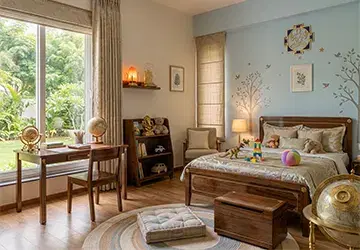
Vastu For Kids Room
Energize Your Kids Room Aura
12+
Years of Experience
3000+
Satisfied Clients
5+
International Presence
99%
Success Rate
100%
Authenticity And Transparency
Highlights
Kids Room Vastu - Direction & Placement
Based on 58 Google Reviews
Appropriate Placement Of Mirrors
Never In Front Of The BedCalming Colours, A Super Choice
Apply Shades Of Soothing ColoursPositioning Of Furniture
Should Be A Bit Far From Walls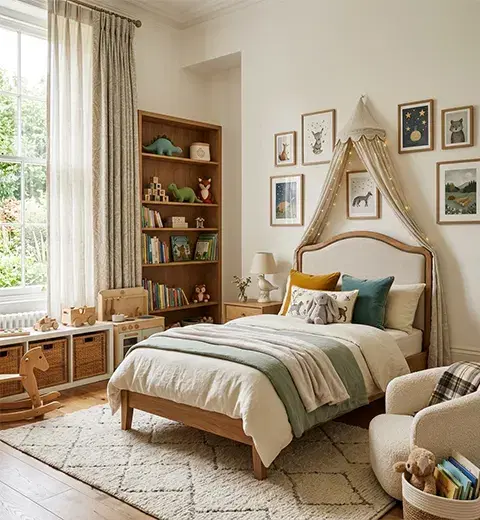
About
About Vastu For Kids Room
Vastu for a kids room means placing the bed, study table, and colours in a child's room so the space supports rest, focus, and a calm mood. In most homes the study table faces east or north, the child sleeps with the head to the east, and the walls use soft greens, light blues, or cream rather than dark or heavily red tones. The rest of this guide covers the impact, the colour combinations, and the quick fixes you can make today.
Vastu for a kids room applies the same directional ideas used across the home to the one space where a child sleeps, studies, and plays. Each direction is tied to an element and a quality, so where you put the bed, which way the desk faces, and what colours cover the walls are all treated as things that shape how a child feels and behaves in that room.
You do not have to accept every claim to get value from it. Much of the advice lines up with plain sense about light, clean air, calm colour, and a tidy space, all of which genuinely help a child rest and concentrate.
A child spends more waking and sleeping hours in their room than almost anywhere else, so the room quietly shapes their routine. Vastu treats that space as the setting for two things parents care about most: rest and study. Get the sleep zone calm and the study zone focused, and the daily rhythm gets easier for the whole family. Research on children's environments backs the general idea, since colour, light, and clutter all measurably affect a child's mood and ability to concentrate.
Here is what a well-arranged room is believed to do for a child. Treat these as the aims of a good setup rather than guarantees.
- Sharper focus and concentration. A study table facing east or north, kept clear of clutter, helps a child settle into homework instead of fidgeting.
- A calmer mood. Soft colours and an uncluttered room are believed to reduce restlessness, tantrums, and irritability.
- Better, deeper sleep. A bed with the head to the east or south and a light-blue palette is tied to falling asleep faster and waking up fresh.
- More confidence. A space that feels secure and organised gives a child a stronger sense of ownership and self-belief.
- Improved memory and learning. Facing the right direction while studying, plus warm accent tones, is linked to better recall during exams.
- Steadier discipline and routine. A room with a clear place for study, sleep, and play makes daily habits easier to keep.
- More creativity and imagination. Green and gentle yellow accents are thought to encourage curiosity and creative play.
- Calmer, less stubborn behaviour. Keeping the child out of the heavy south-west sleeping zone is said to soften obstinate streaks.
- Better health and energy. Good light, airflow, and a clean room support appetite, rest, and overall wellbeing.
- A sense of security. A solid wall behind the bed and no mirror facing it help a child feel settled at night.
Colour is where Vastu and modern research agree most. Cool tones like blue and green calm children and support focus, while warm tones like red and bright yellow raise energy and are best used in small doses. Blue is widely regarded as the most calming shade for a child's bedroom, and green is the easiest on the eyes for a study corner. The table below sets out a simple, safe palette.
| Direction / Wall | Recommended Shades | Why It Works |
|---|---|---|
| North-East | White, pale blue, light aqua | Supports the water element and keeps the sacred corner calm. |
| East | Light green, off-white | Encourages growth and fresh morning energy. |
| South-East | Orange, coral, warm red accents | Matches the fire zone and its heat-driven work. |
| South | Red, terracotta, warm earth tones | Strengthens the load-bearing fire-earth zone. |
| South-West | Beige, brown, muted yellow | Grounds the stability corner and the owner's cabin. |
| West | Grey, soft blue, white | Steadies the support zone without over-heating it. |
| North-West | White, cream, light grey | Keeps the air zone light so goods move out quickly. |
| North | Green, pista, light metallic tints | Feeds the Kuber wealth zone and supports the accounts area. |
A common combination that works well: soft green or white on the main walls, a light-blue sleeping area, and one warm accent of cream or gentle yellow near the study desk. Keep red as a small highlight, not a wall colour.
Direction guides where each part of the room goes. This is the layout most Vastu consultants recommend for children.
| Element | Best Direction | Why Vastu Suggests It |
|---|---|---|
| Child's bedroom | West or North-West | Grounded, restful zones considered suitable for a growing child. |
| Study table (facing) | East or North | Facing these directions while studying is associated with focus and memory. |
| Sleep direction (head) | East or South | Believed to support restful sleep and improved concentration. |
| Bookshelf | East or North-East | These directions are traditionally linked with learning and knowledge. |
| Room door | North or East | Allows morning light and fresh airflow into the room. |
These work in any room, rented or owned, with no demolition. Pick a few and you will usually feel the difference within a day or two.
- Face the study table east or north. Turn the desk so your child looks toward one of these directions while working, with open space in front rather than a wall pressed to their face.
- Point the bed's head to the east or south. This sleep direction is the classic Vastu choice for children. Avoid the head pointing north.
- Keep the room clutter-free. Clear the floor and the north-east corner. A tidy room is calmer, and it is the single easiest fix.
- Use calm colours, go easy on red. Add a green or light-blue accent and keep bright red to small touches so the room does not overstimulate.
- Put a solid wall behind the bed and chair. Avoid placing either directly under an overhead beam, which Vastu treats as a source of pressure.
- Remove mirrors that face the bed. Reposition or cover them so nothing reflects the sleeping child.
- Add a plant or fresh flowers in the east or north. A small potted plant brings a bit of nature into the learning zone.
- Keep a globe or books in the north-east. This learning corner is a common spot for study material and anything that sparks curiosity.
- Limit screens in the sleeping area. Keep the TV and heavy electronics out of the rest zone for better sleep and calmer evenings.
- Let in morning light. Open the curtains early. Natural light in the room is one of the oldest and most practical Vastu ideas.
Interest in Vastu has grown sharply, and it is not only older generations driving it. A survey by property portal 99acres found that 62% of Indian homebuyers prefer Vastu-compliant homes, and 44% are willing to pay more for them. A separate Anarock survey put the share of buyers who treat Vastu as a key factor at close to 80%, and a Magicbricks study reported 93% preference in Tier-1 and Tier-2 cities. When parents apply that same lens to the one room their child grows up in, the attention on kids rooms follows naturally.
A few things explain the shift. Millennial and Gen Z parents are more focused on wellness, and a calm, light-filled room fits that outlook. Academic pressure is heavier than it used to be, so any edge that might help a child concentrate gets a serious look. Screens and shrinking attention spans push parents to design quieter sleeping areas. Families are smaller and flats are more compact, which makes every corner of a single room matter more. And short videos and social feeds have spread simple Vastu tips to a much wider audience than before.
There is also a practical reason the advice sticks. Much of what Vastu recommends for a kids room (natural light, good airflow, calm colours, a clutter-free desk, and a settled sleep zone) is the same thing child-development and colour research points to. Parents get to honour tradition and follow common sense at the same time, which is a large part of why the practice keeps growing.
You do not need to rebuild a room to bring Vastu into it. Start with three things: turn the study table to face east or north, point the bed's head to the east or south, and switch the palette to calm greens and blues with only small warm accents. Clear the clutter, let in the morning light, and keep the sleep zone quiet. Whether your child has a large room or a shared corner of a flat, these small choices tend to make the space feel calmer and easier to focus in, which is the whole point. Treat Vastu as a helpful framework, pair it with plain good sense, and let the room grow with your child.
If you want to go further than the quick fixes, the next step is a short consultation with a Vastu expert. Try the free tips above first, and if you still have questions about your specific room, book a certified consultant. Most work online now, so you share a floor plan, a few photos, and the direction the room faces (your phone's compass app is enough to check this), and they suggest placements and simple remedies over a call. Look for someone with real experience and genuine reviews, ask for non-structural fixes before any construction, and be cautious of anyone who pushes expensive demolition as the first answer. A trusted referral, a reputable Vastu website, or a well-rated local consultant is usually the easiest way to connect, and having your floor plan and a compass reading ready will make the session quick and useful.
Benefits
Benefits of Correct Kids Room Vastu
Immense Positivity
Quashing Unnecessary Distractions
Inspirational Vibe
Enhance Focus And Wisdom
Vastu Tips
Important Tips & Points of Kids Room Vastu
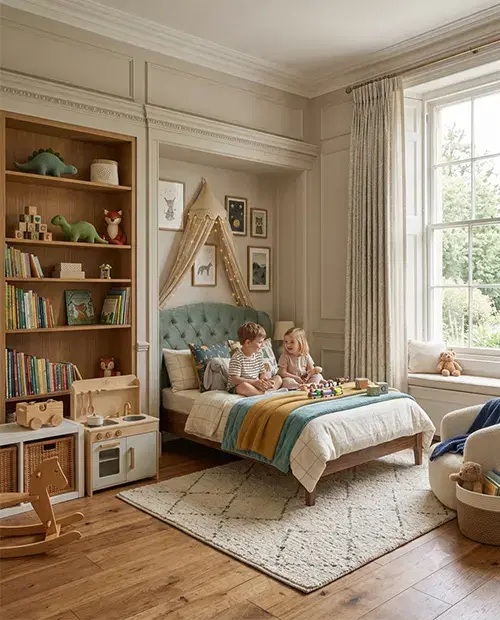
POINTS TO BE TAKEN UNDER CONSIDERATION
- Incorporating Sense Of Accountability And Security in Kids, Imparting Them With Confidence
- Sufficient Lighting In Kids’ Room Is Vital For Both Mental and Physical Well-Being
- Clutter-Free Study Table Invites Wisdom and Positive Environment For Kids
- Implementing Room With Cheerful Elements Captivates Joyous Vibe
- Always Showcase The Achievements of Kids In Their Room To Enhance Encouragement
Why Choose Us
Why Choose Layered Vastu for Kids Room Vastu
100% Certified
Authentic Documents, Showcasing Legality100% Customer-Centric
Customization As Per Client's RequirementLifetime Assistance
Offering Services For The Entire LifespanFAQ
Vastu For Kids Room - People also ask
Place the desk so the child faces east or north while studying. These directions are linked to concentration and memory. Keep some open space in front of the desk rather than pushing it flat against a wall.
Green and light blue are the safest choices. Green supports calm and focus, and light blue helps with rest. Use soft yellow or cream as warm accents, and keep dark shades and heavy red to a minimum.
With the head toward the east or south. East is tied to focus and study, south to sound sleep. Avoid the head pointing north for children.
Vastu is a traditional belief, not a proven science, so treat it as one helpful input. That said, its core advice (a clean desk, good light, calm colours, and the right study direction) overlaps with what actually helps a child focus.
Along a solid wall, with the headboard against it, and not directly under a beam. Keep a mirror from facing the bed, and leave the space under the bed clear.
The south-west is traditionally kept for the head of the household. For children, Vastu usually suggests the west or north-west instead, which are seen as more restful for a growing child.
Explore More
Similar Vastu Services
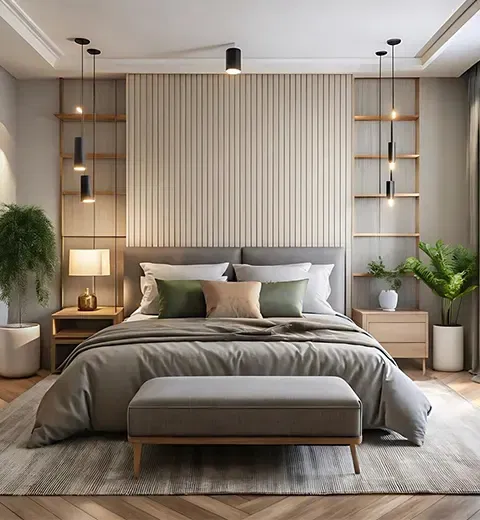
Vastu For Bedroom
Make it Vastu Compliant
Read More
Vastu For Main Home Entrance
Make an auspicious entrance
Read More
Vastu For Cross Ventilation
Let the fresh air enter your home
Read More
Vastu For Garage
Welcome goodness from the garage
Read More
Vastu For Toilets
Make your living healthy
Read More
Vastu For Villa
Get the beautiful and positive living
Read MoreReady to Transform Your Space?
Get expert Vastu guidance from Seema Bhatia. Start your journey to harmony and prosperity today.